

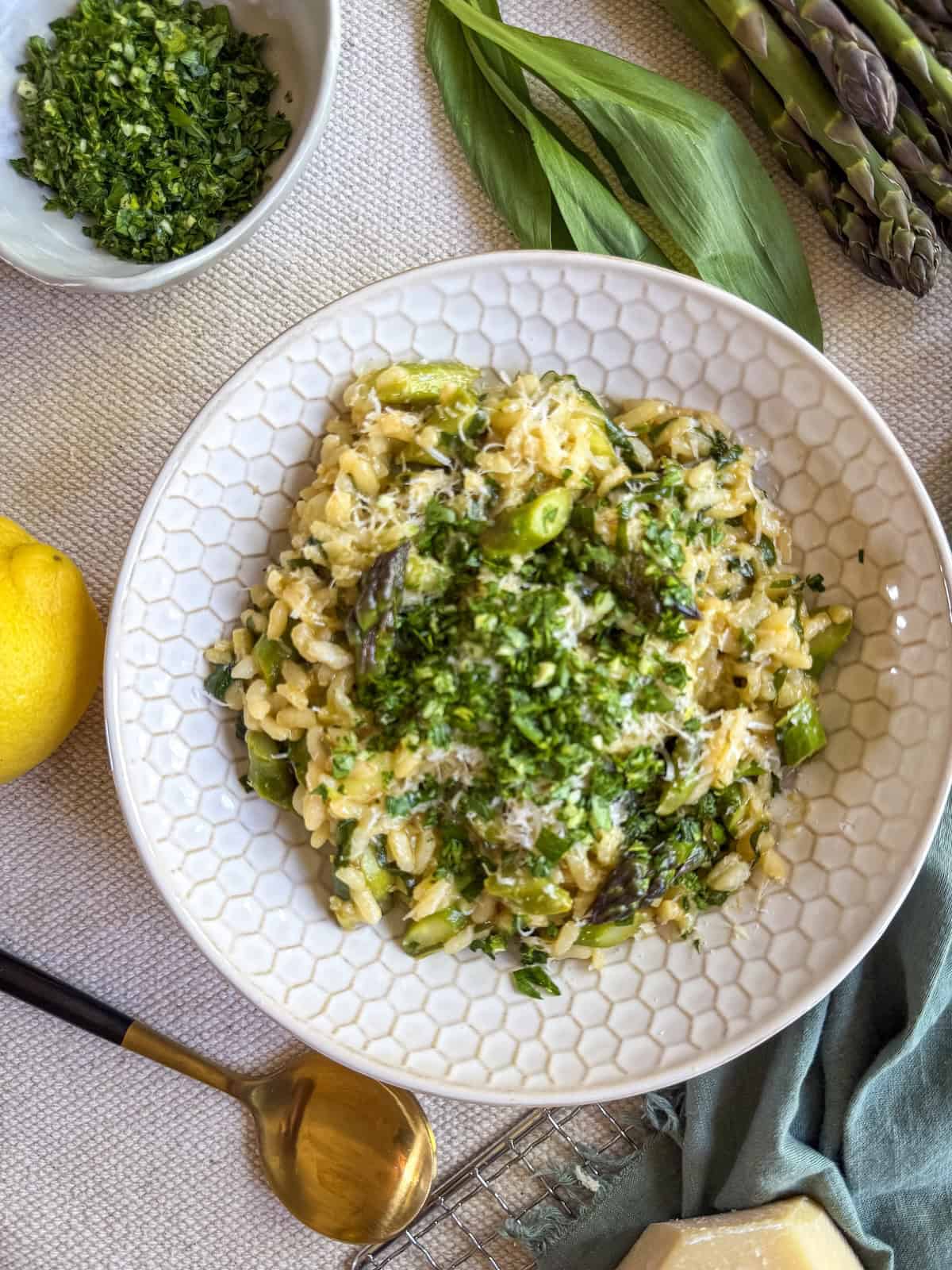
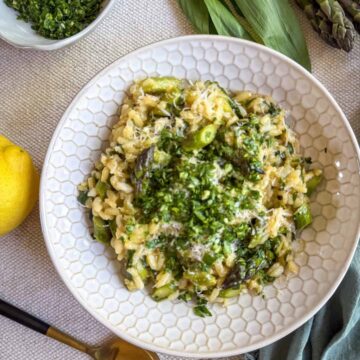
A delicious, one pot creamy risotto made with peak spring ingredients — asparagus and ramps. The ultimate spring risotto recipe!
Quick Look: Asparagus and Ramp Risotto
- ⏱ Prep Time: 10 minutes
- 🔥 Cook Time: 20 minutes
- ⏳ Total Time: 30 minutes
- 🍞 Serving: 4 people
- ⚡ Calories: 397 calories per serving
- 🌱 Flavor Profile: Vegetarian. Rich, creamy, full of Spring flavors.
- 👩🏽🍳 Difficulty: Medium, perfect for a date night at home or dinner party.
SUMMARIZE & SAVE THIS CONTENT ON
If you're all about the spring asparagus recipes, you must also try this Marinated Cold Asparagus Salad, my Aparagus and Leek Frittata, Asparagus Orzo Salad, Asparagus Mimosa and this quick and easy Sheet Pan dinner with Shrimp and Asparagus.
If you find ramps at your local farmers' market, grab them and make this asparagus and ramp risotto immediately! Crisp, grassy, fresh asparagus and garlicky, oniony ramps are the stars of this simple, elevated vegetarian dish that tastes like peak spring in a bowl.
Risotto is one of those dishes that takes a little time and patience. It requires a bit of babying with the constant stirring, making this perfect thing to cook while holding a wooden spoon in one hand and a glass of crisp white wine in the other. This rich, creamy dish is the ultimate Italian comfort food. Make it while you can, ramp season is super short and waits for no one!
Jump to:
- Quick Look: Asparagus and Ramp Risotto
- What are ramps?
- Why you will love this recipe
- Key ingredients and substitutions
- Step by Step Risotto with Asparagus and Ramps
- Pro-tips for making perfect risotto
- How to store and reheat risotto
- Frequently Asked Questions
- What to eat with this Spring risotto
- More farmers' market recipes to try
- Creamy Risotto with Asparagus and Ramps (Gluten Free)
What are ramps?
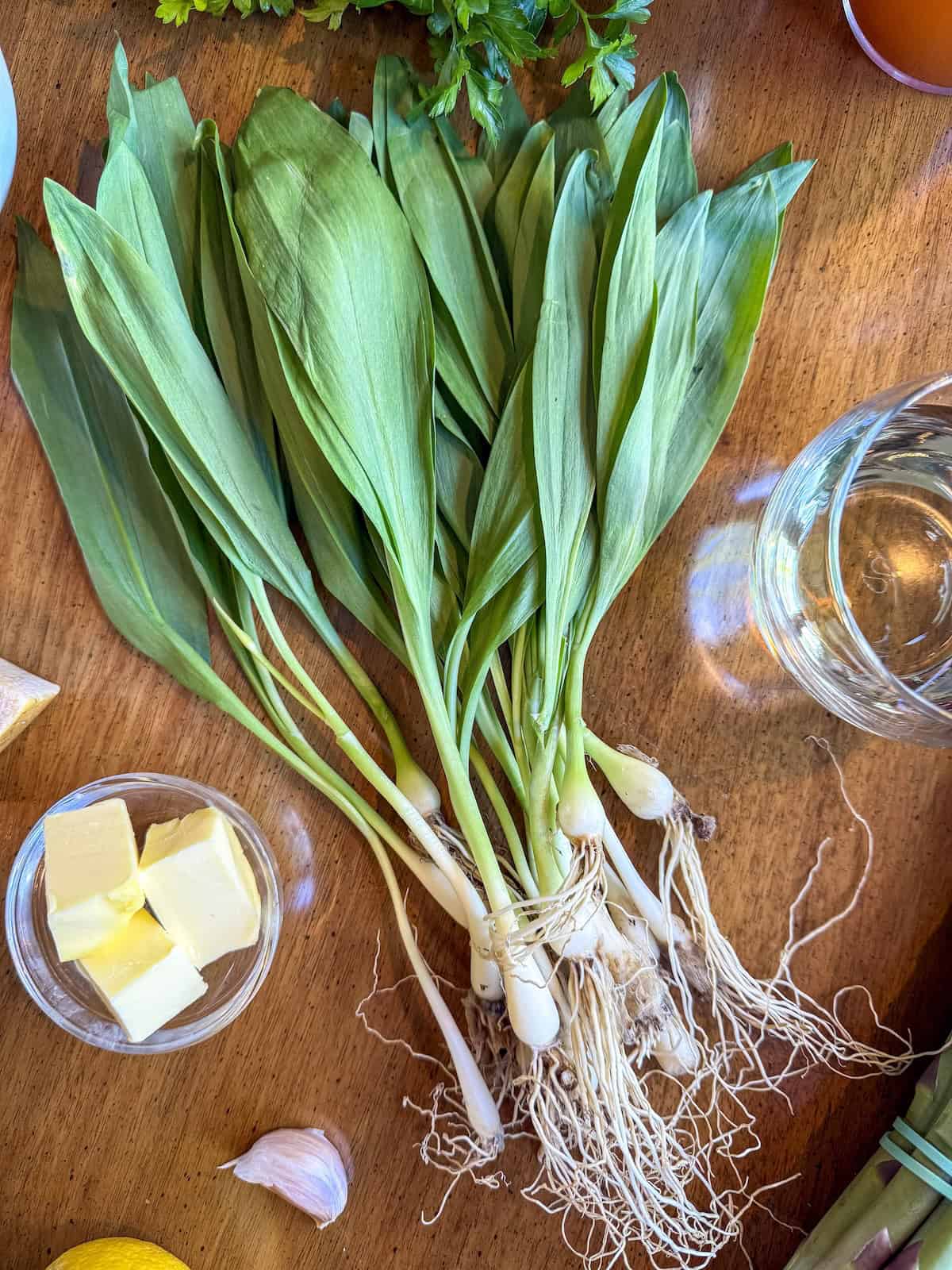
Ramps (sometimes referred to as wild leeks) are a wild allium that grow in Eastern North America and the Midwest. They look kind of like scallions with a small white bulb and stringy roots but have wide, tender leaves. The entire plant is edible and because their foraged, not farmed, they're only in season for a few weeks in the Spring, making them a highly sought after vegetable. They have a distinctive flavor with the bulbs having a bold, onion and garlic flavor, while the leaves are a bit more mild. When cooked, they are deeply savory, a little bit sweet and wildly delicious! If you've been searching for what to do with ramps, this one pot spring dinner is where to start.
Why you will love this recipe
- Easy to make - Risotto has a reputation for being fussy, but the process is simpler than it sounds. Simple ingredients, a little stirring, a little patience, and you're rewarded with a dish that feels far more impressive than the effort it took to actually pull off.
- Simple but elevated - Full stop, this dish is restaurant quality. Relying on a short list of quality ingredients - Arborio rice, good parmesan cheese, a splash of white wine and seasonal veggie superstars - the technique isn't complicated, but when executed perfectly, it tastes like something you'd order at a farm to table restaurant and wish you could recreate at home. Spoiler alert: you absolutely can!
- Vegetarian and gluten-Free - Cooking for people with dietary restrictions? This risotto is crowd-pleasing without compromise. It makes a show stopping main course or perfect side dish for any protein. A perfect choice for a dinner party. Even your meat-eating, pasta-loving guests will be licking their plates!
- Highlights Spring ingredients - Asparagus and ramps have some of the shortest seasons of any produce you'll find, and this recipe is built to celebrate exactly that. The ingredients just shine.
Key ingredients and substitutions
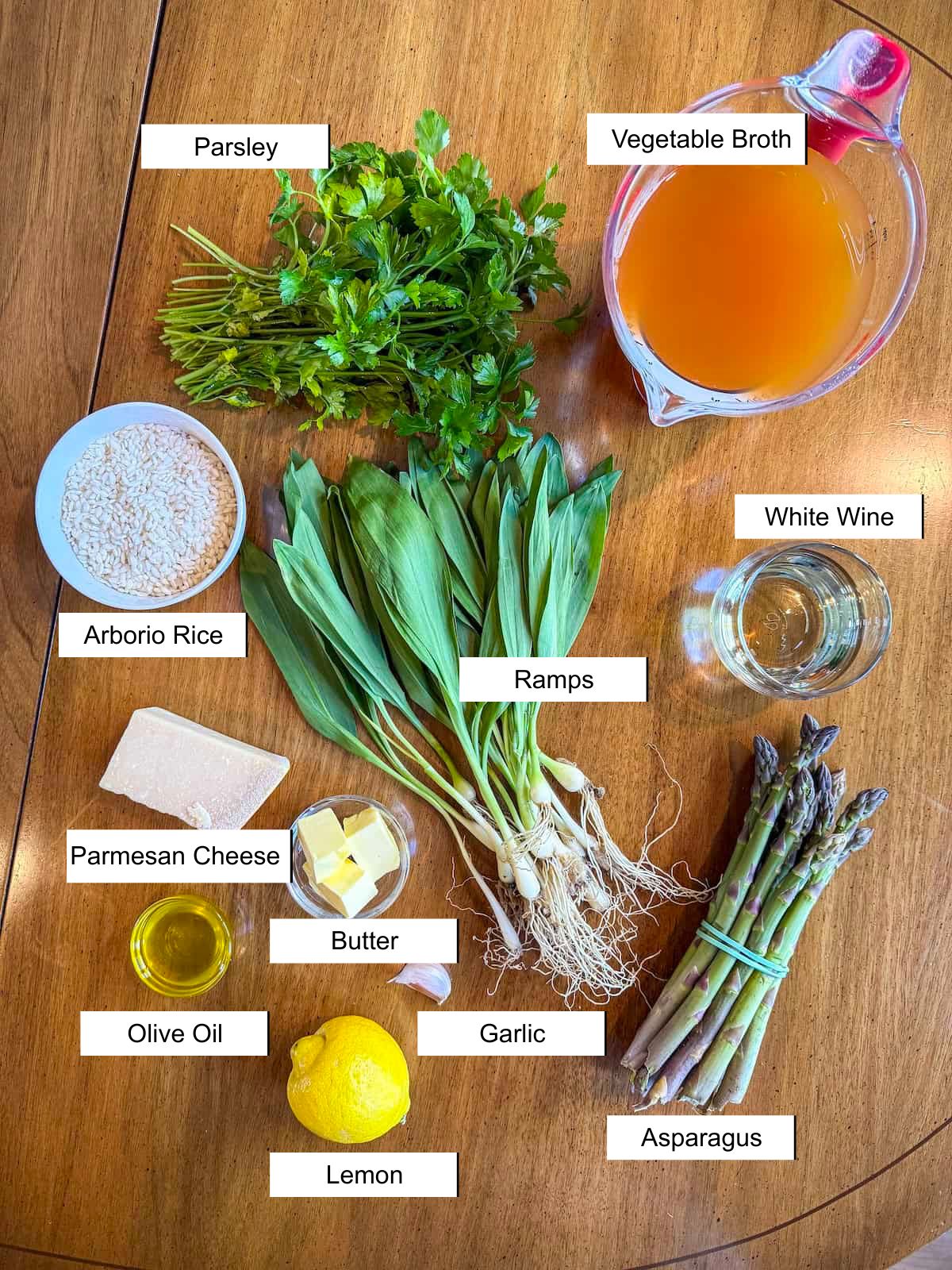
Scroll to the recipe card at the bottom of this page for exact ingredients and quantities.
- Arborio rice - An Italian short grain rice with a high starch content - it's the go-to choice for risotto. As you stir while it cooks, the starch gradually releases into the liquid, resulting that thick, creamy texture that makes risotto so delicious. It also stays firm at the center giving it that perfect al dente bite. Vialone Nano and Carnaroli rice and are two other Italian varieties that work the same way, but Arborio is the most widely available and works beautifully. You can find it in the rice or international foods aisle of the grocery store. Do not substitute long-grain, jasmine, or basmati rice as they won't produce the same result.
- Fresh Asparagus - use the freshest you can find! Do not substitute frozen or canned.
- Ramps - the whole point of this dish is to celebrate ramp season. If you missed it, try again next year!
- Broth or stock - I usually use vegetable broth to keep it vegetarian. Chicken broth or stock are perfectly fine substitutes. Low sodium preferred.
- White wine - recommended but totally optional. Use a dry white wine like sauvignon blanc or pinot grigio. If omitting the wine, use extra broth if needed.
Step by Step Risotto with Asparagus and Ramps
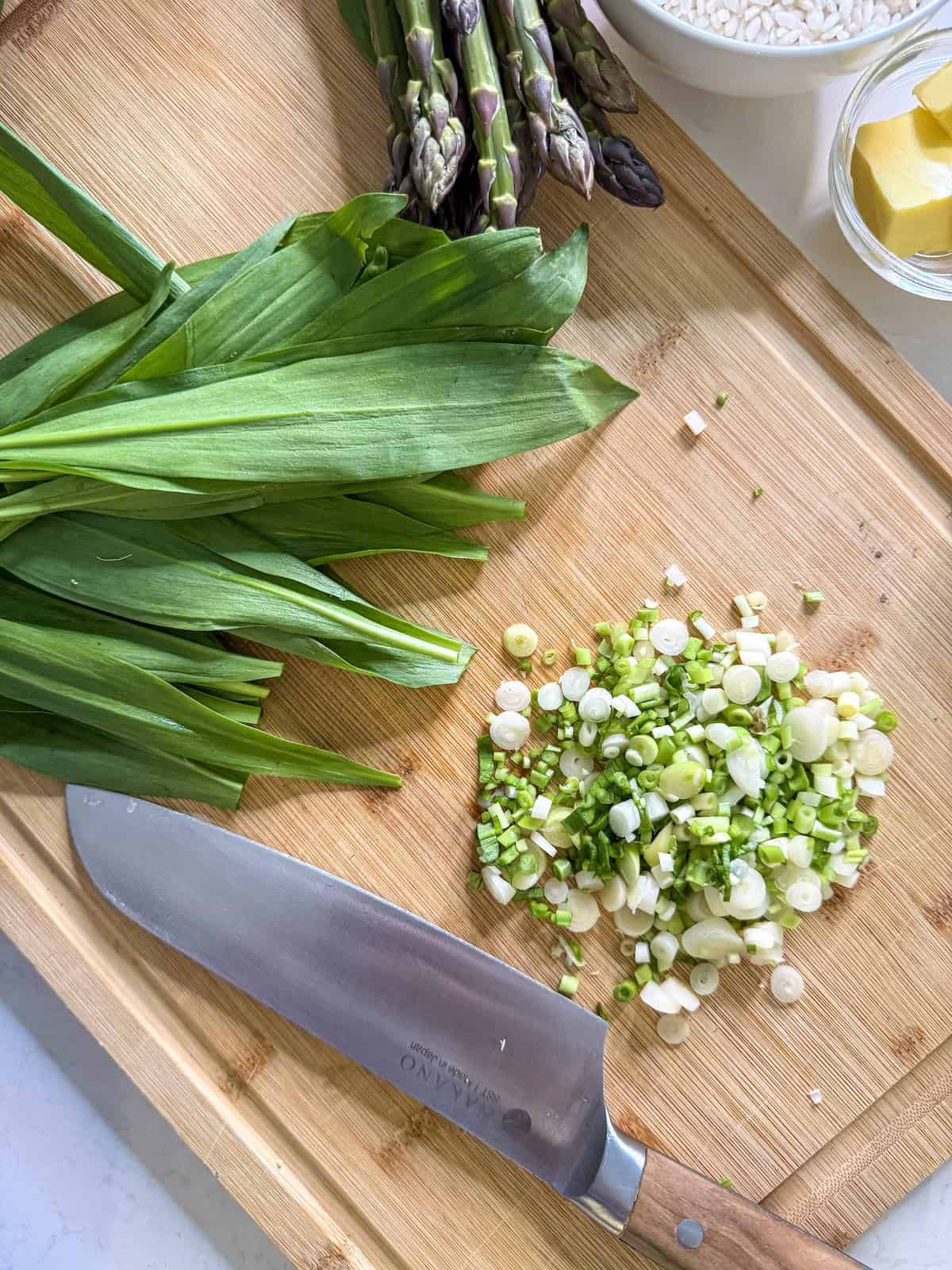
Step 1: Wash and thoroughly dry the ramps. Trim off the root end, leaving as much of the bulb in tact. Thinly slice the bulbs and stems and set aside.
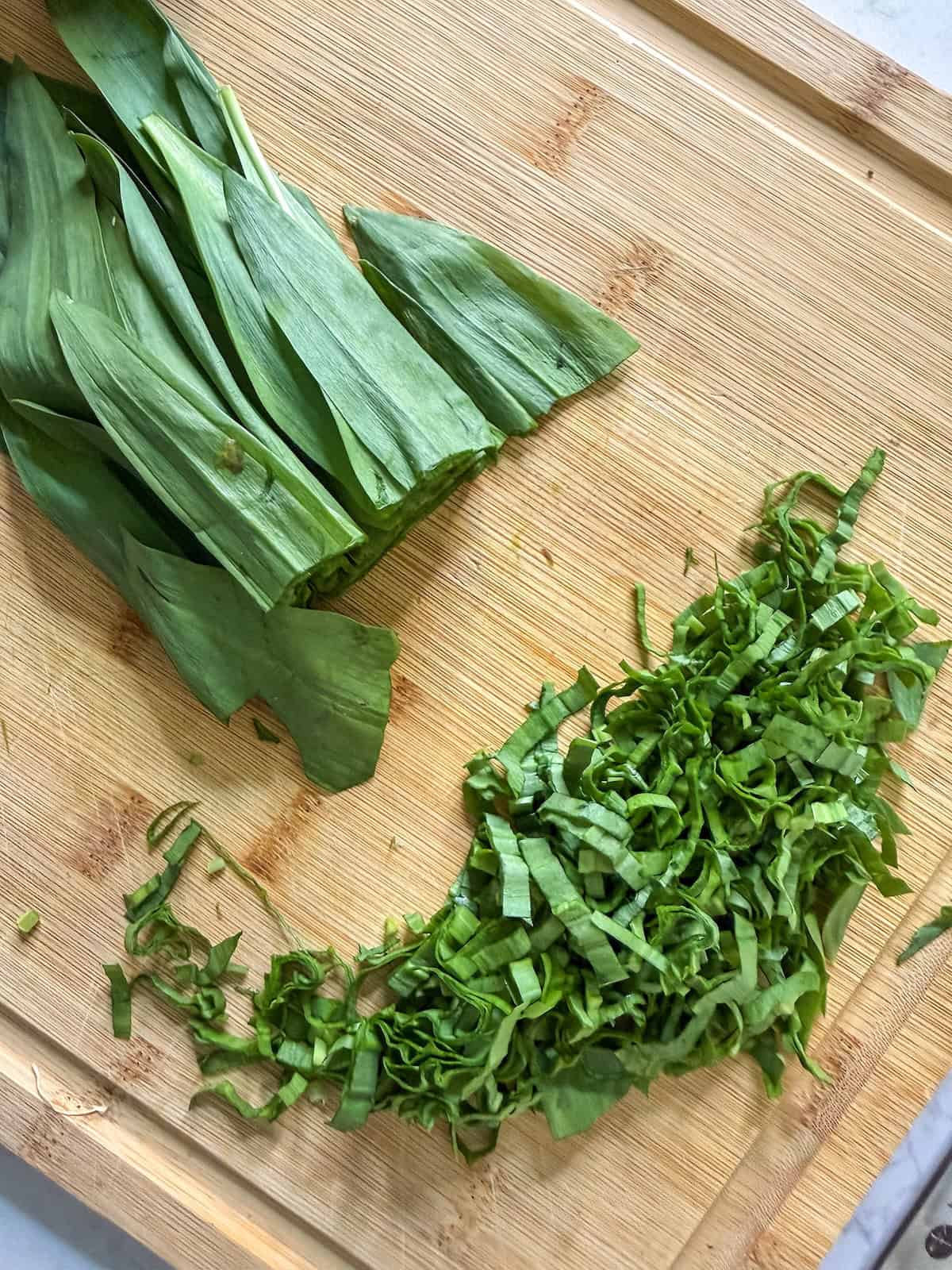
Step 2: Thinly slice the ramp leaves and set aside.
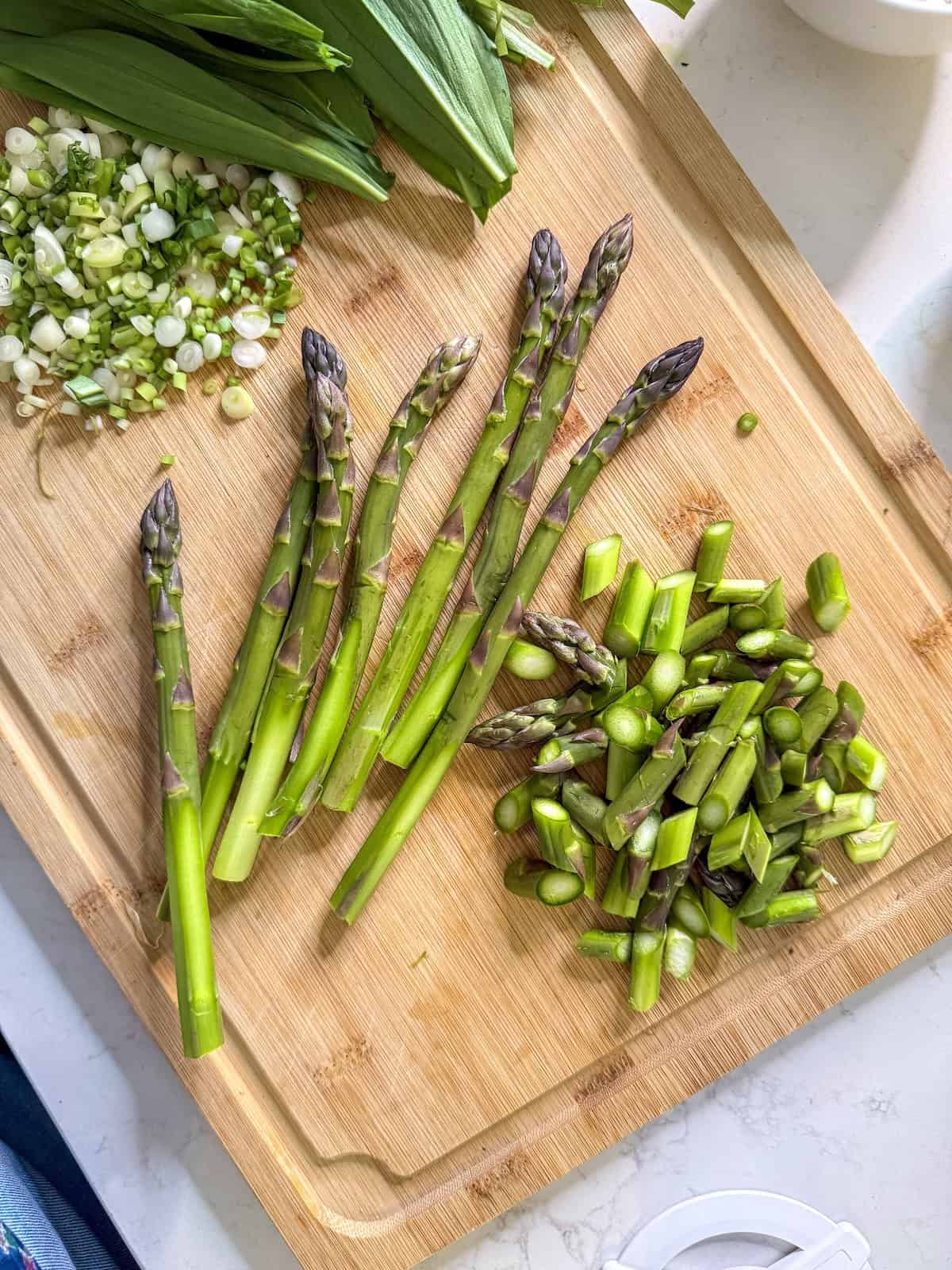
Step 3. Wash the asparagus. Trim off the bottom inch of the woody stalk. If it's on the thicker side, use a vegetable peeler to trim the stalks down. Cut into one inch small pieces.
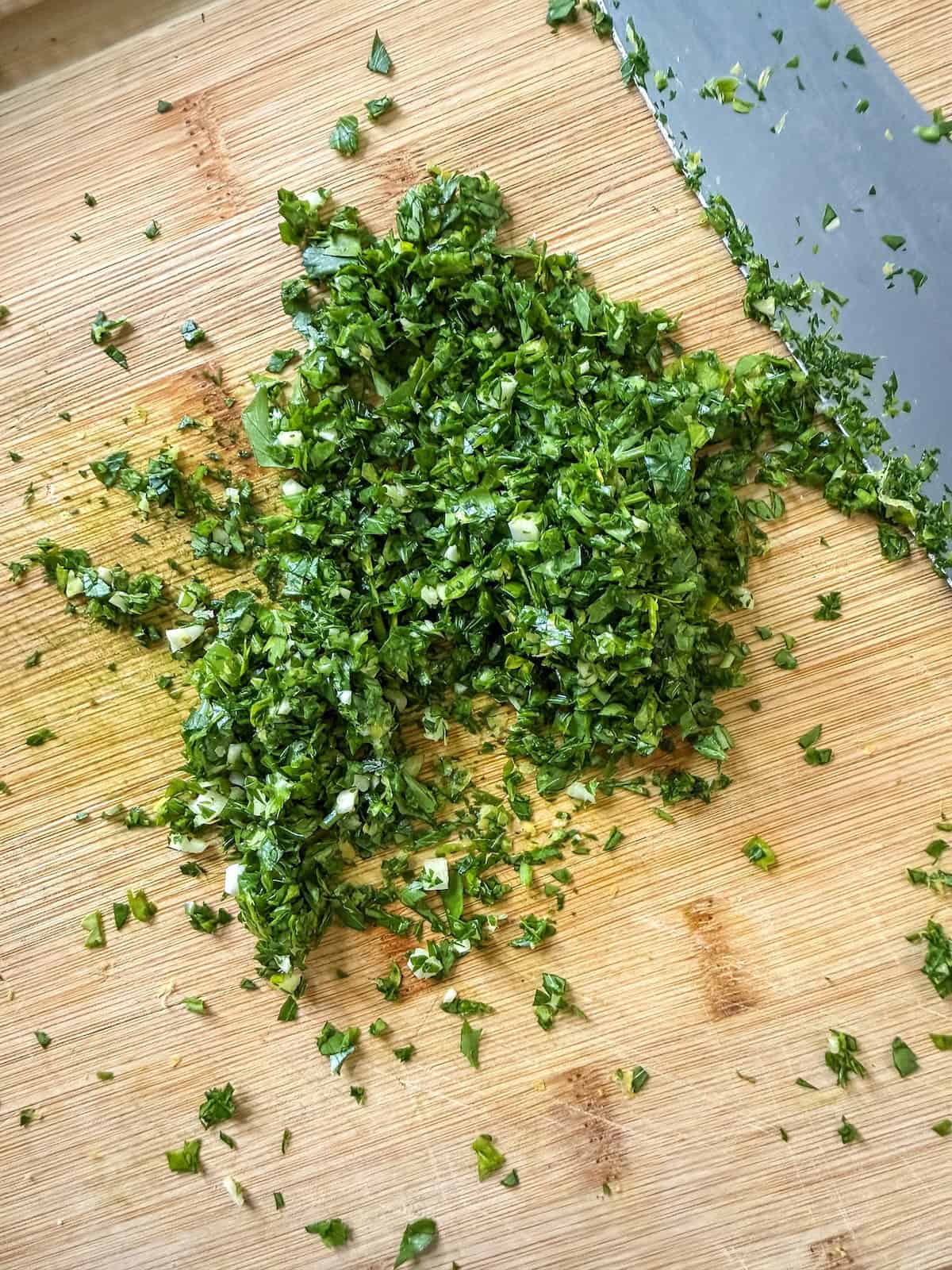
Step 4: Finely mince the garlic clove, fresh parsley and lemon zest together to make a gremolata, set aside for topping later.
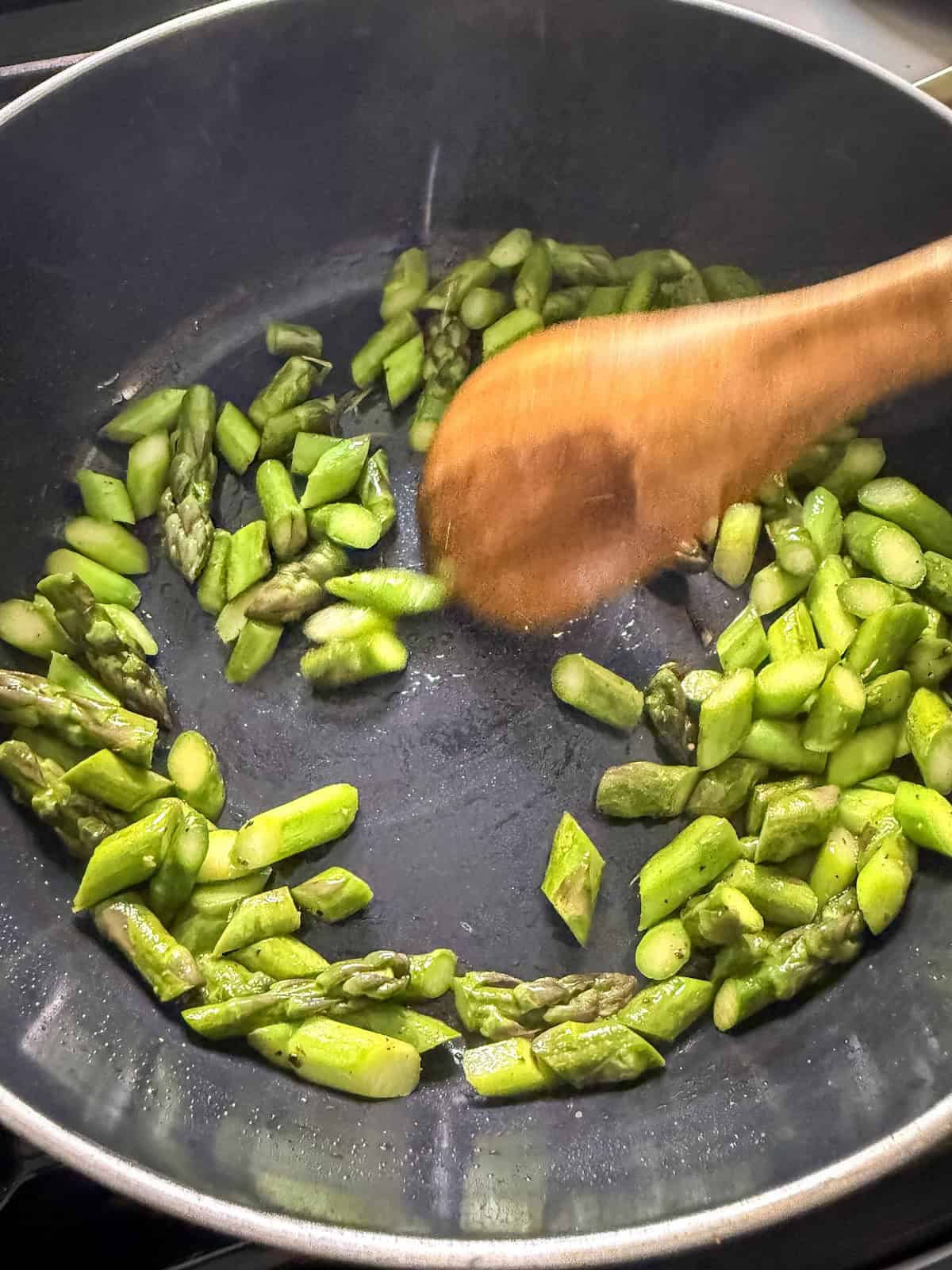
Step 5: In a medium sauce pan, bring the broth to a simmer and keep it covered on low until you're ready to use it. In a large sauté pan or medium pot, heat olive oil over medium heat and add the chopped asparagus. Sauté for 1-2 minutes until bright green and slightly crunchy. Season with a pinch of salt and a little pepper. Remove asparagus from the pan and set aside on a plate.
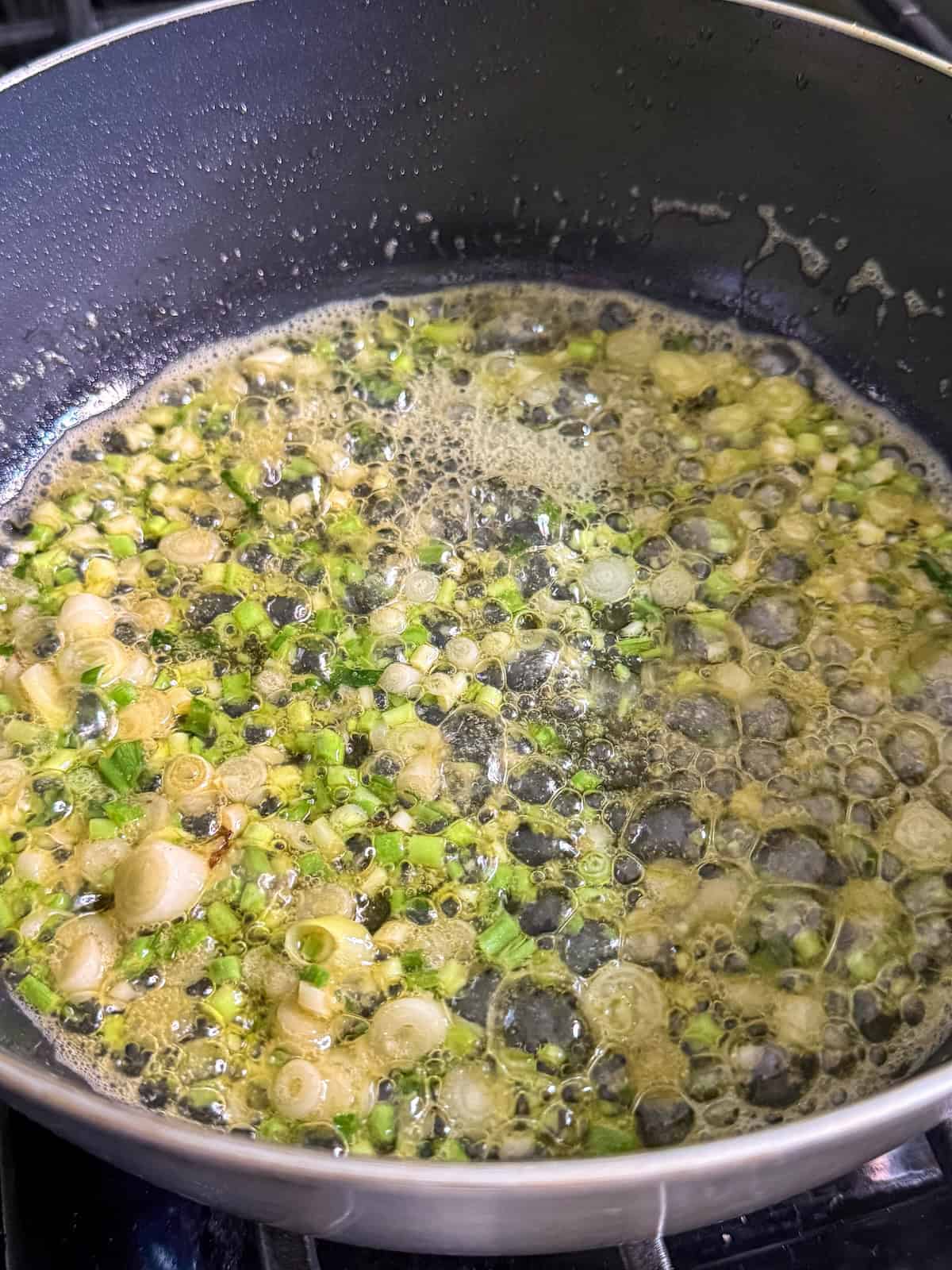
Step 6: In the same pan, over medium heat, melt butter and add thinly sliced ramp bulbs and stems. Sauté for 2-3 minutes until soft and translucent. Be careful not to brown, lower the heat if necessary.
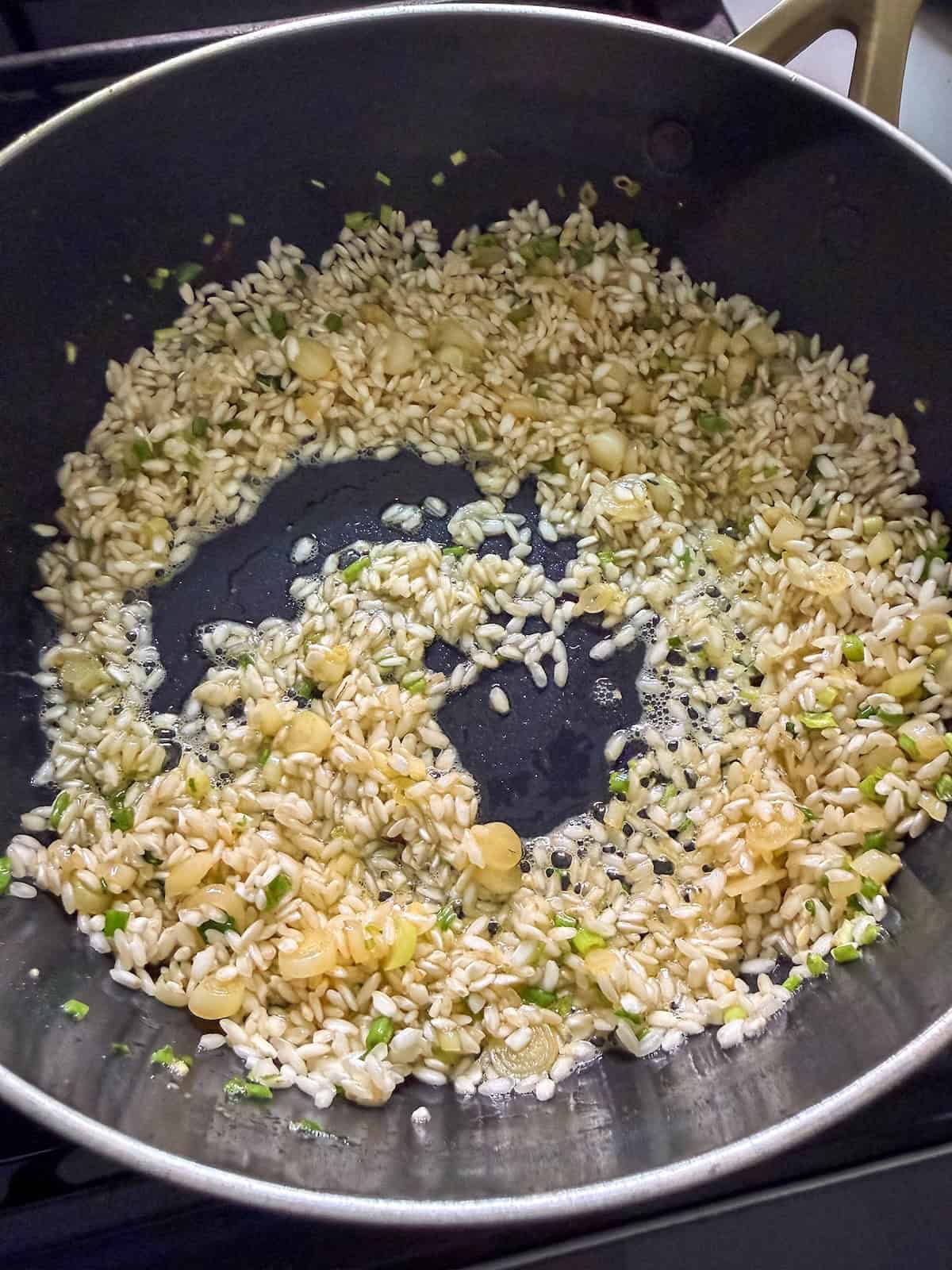
Step 7: Add the Arborio rice to the pot and stir. Toast the rice in the butter mixture until the edges look translucent and it has a slightly nutty aroma. Use a wooden spoon to stir well to ensure that nothing sticks to the bottom of the pan.
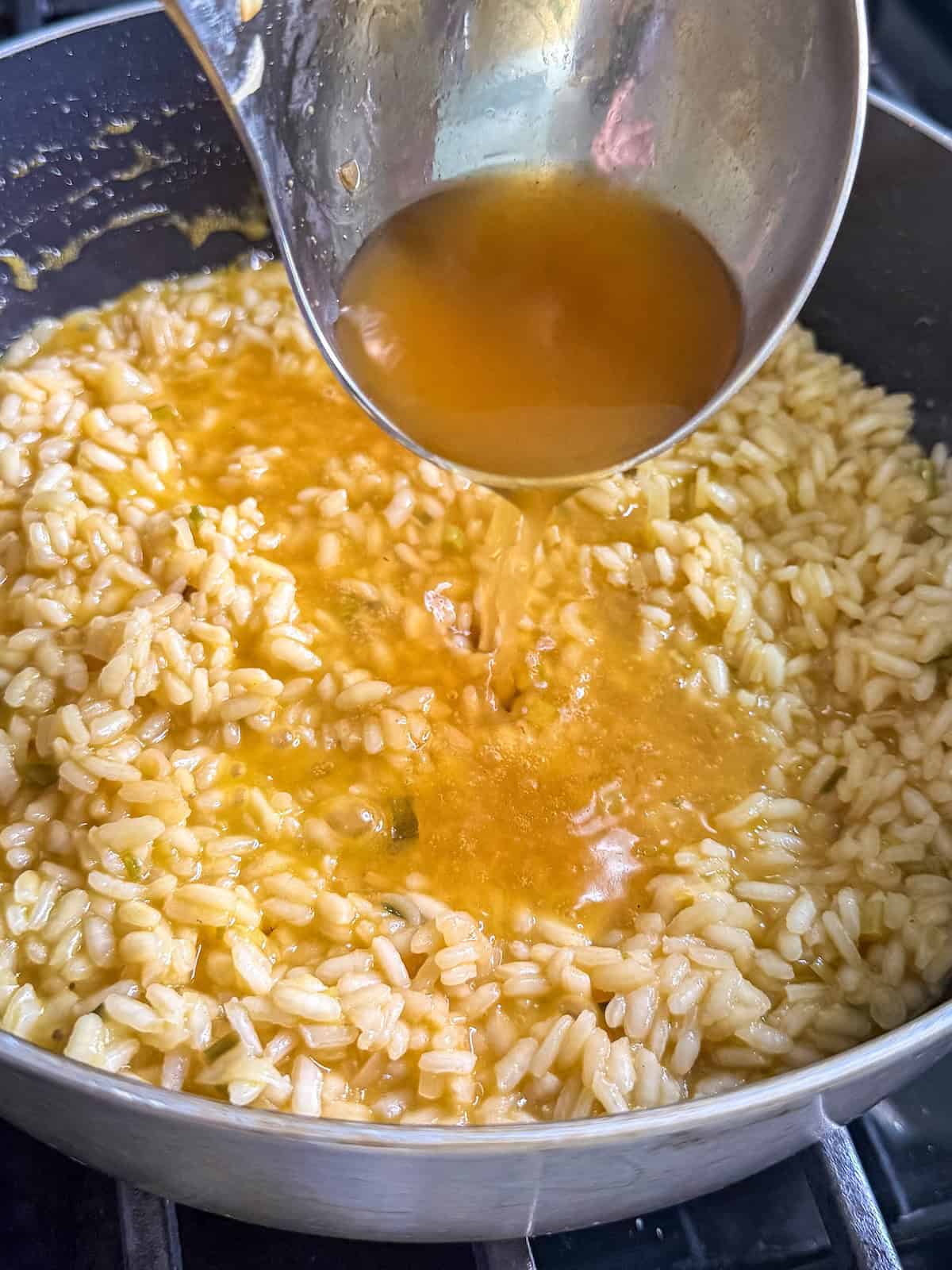
Step 8: Add the wine to the rice and stir until it’s nearly dry. Add a ladle of hot broth and stir frequently until it’s almost completely absorbed by the rice. Repeat this process, one ladle at a time, stirring frequently until liquid is almost absorbed until rice is al dente. It should be tender but still have a bit of bite to it. This will take about 18-22 minutes.
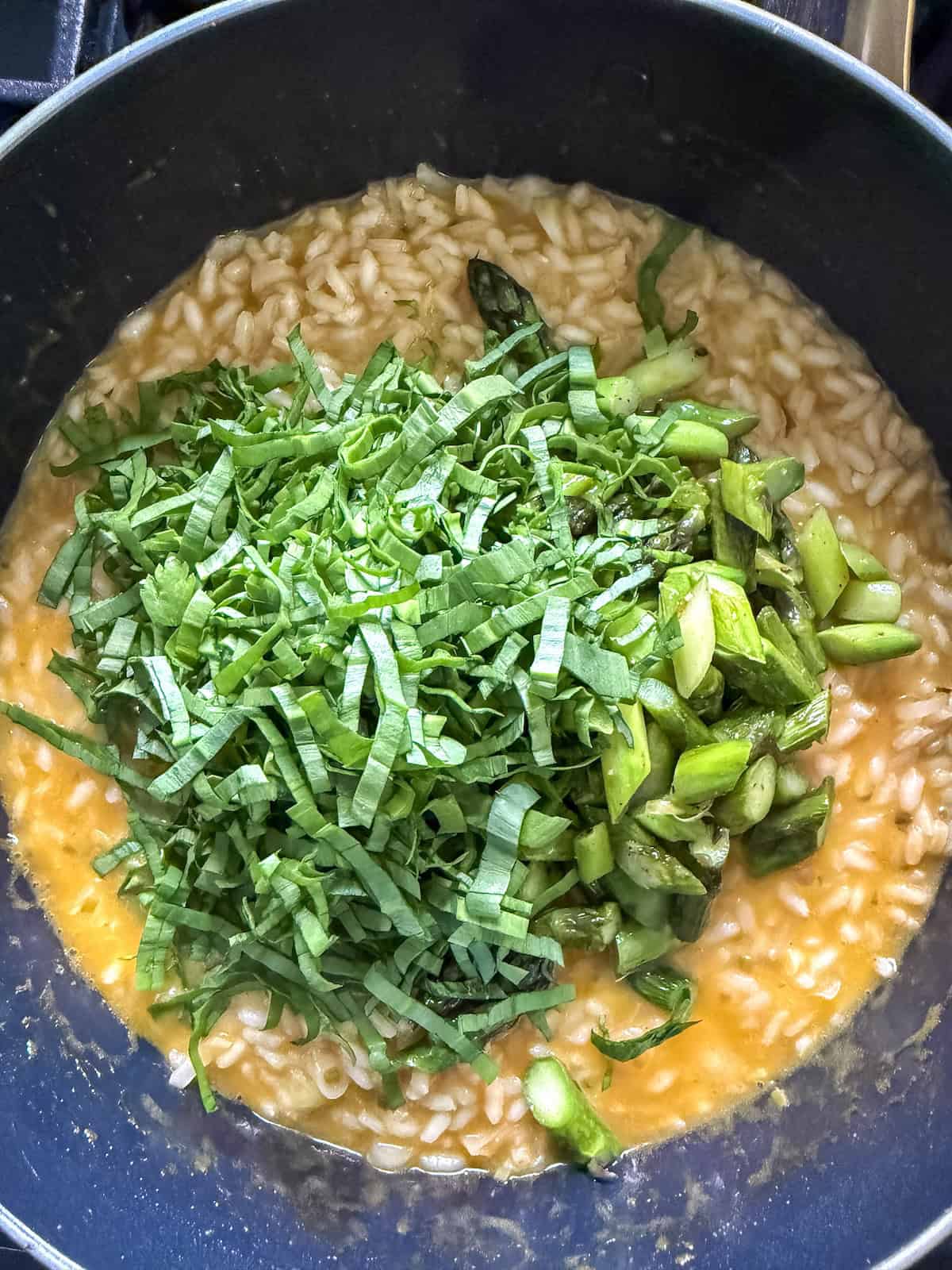
Step 9: When the rice is perfect and just before the last little bit of the liquid is absorbed, stir in the thinly sliced ramp leaves, sauteed asparagus.
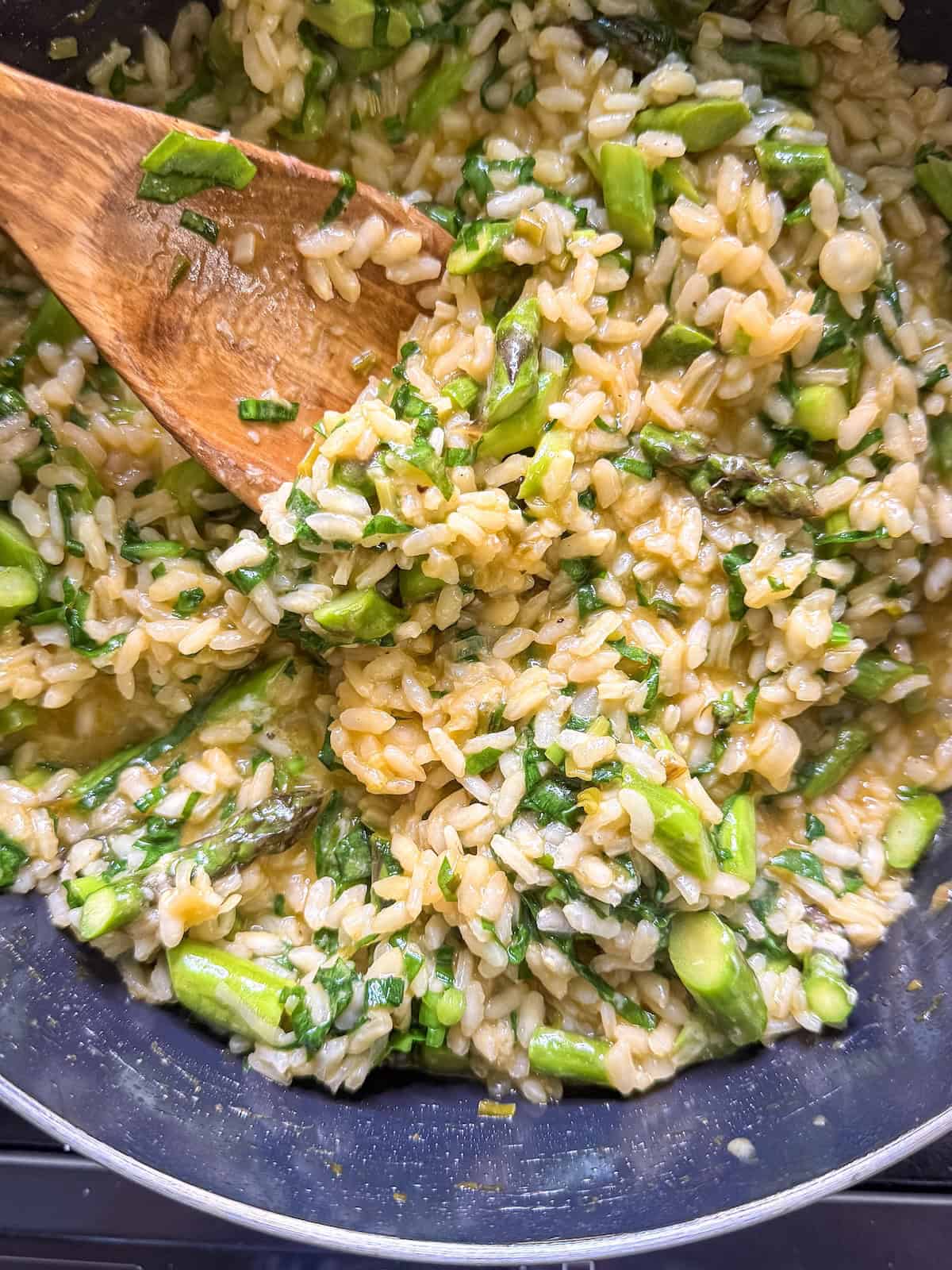
Step 10: Remove from the heat and stir in the juice of half of a lemon, remaining butter and parmesan cheese. Taste and season with more salt and black pepper if necessary. Serve hot with more parmigiano, a small drizzle of good olive oil and a sprinkling of gremolata on top of each serving. Serve immediately.
Pro-tips for making perfect risotto
- Toast the rice - this is a super important step. Toasting the rice until it becomes translucent creates a shell around the grain that allows it to slowly absorb liquid without getting mushy. This is how you nail that irresistible creamy consistency with the perfect al dente bite.
- Use hot broth - adding cold liquid drops the temperature of the pan, shocks the rice and results in uneven, mushy or gluey texture. Hot liquid keeps the cooking temperature consistent and gradually releases the starch in the rice allowing that creamy, emulsified sauce to develop.
- Add broth one ladle at a time - rinse and repeat until all of the liquid is gradually absorbed. Adding liquid in small increments guarantees even absorption and builds rich flavor and perfect texture. This specific cooking process is what gives risotto that signature creaminess.
- Add butter and parmesan at the end - remove it from the heat and add a chunk of cold butter at the end. As the butter melts while stirring, it will give it that glossy richness that makes risotto so delicious.
How to store and reheat risotto
- Once the risotto has cooled to room temperature, store in an airtight container in the refrigerator for 2-3 days.
- I don’t recommend freezing risotto since as it will change the texture of the rice.
- To reheat, warm gently in a saucepan over medium heat with a splash of broth or water, stirring until hot and creamy.
Frequently Asked Questions
Your best bet is the farmers market. You may also have luck at a specialty grocery store or co-op during peak season.
Risotto is best served immediately.
If you missed the season, honestly I'd just wait until next year! The flavor is so unique, you can't recreate it with substitutions.
Arborio rice is widely available. If you find another short-grain rice variety like Vialone Nano or Carnaroli, those work beautifully as well.
Yes. This is a naturally gluten free recipe. Just make sure the broth or stock you use is certified gluten free. Some store-bought brands can contain hidden gluten.
It should thick, creamy and al dente like pasta. Taste it for flavor and texture as you cook. If you prefer softer rice, gradually add stock and continue cooking until it's to your liking.
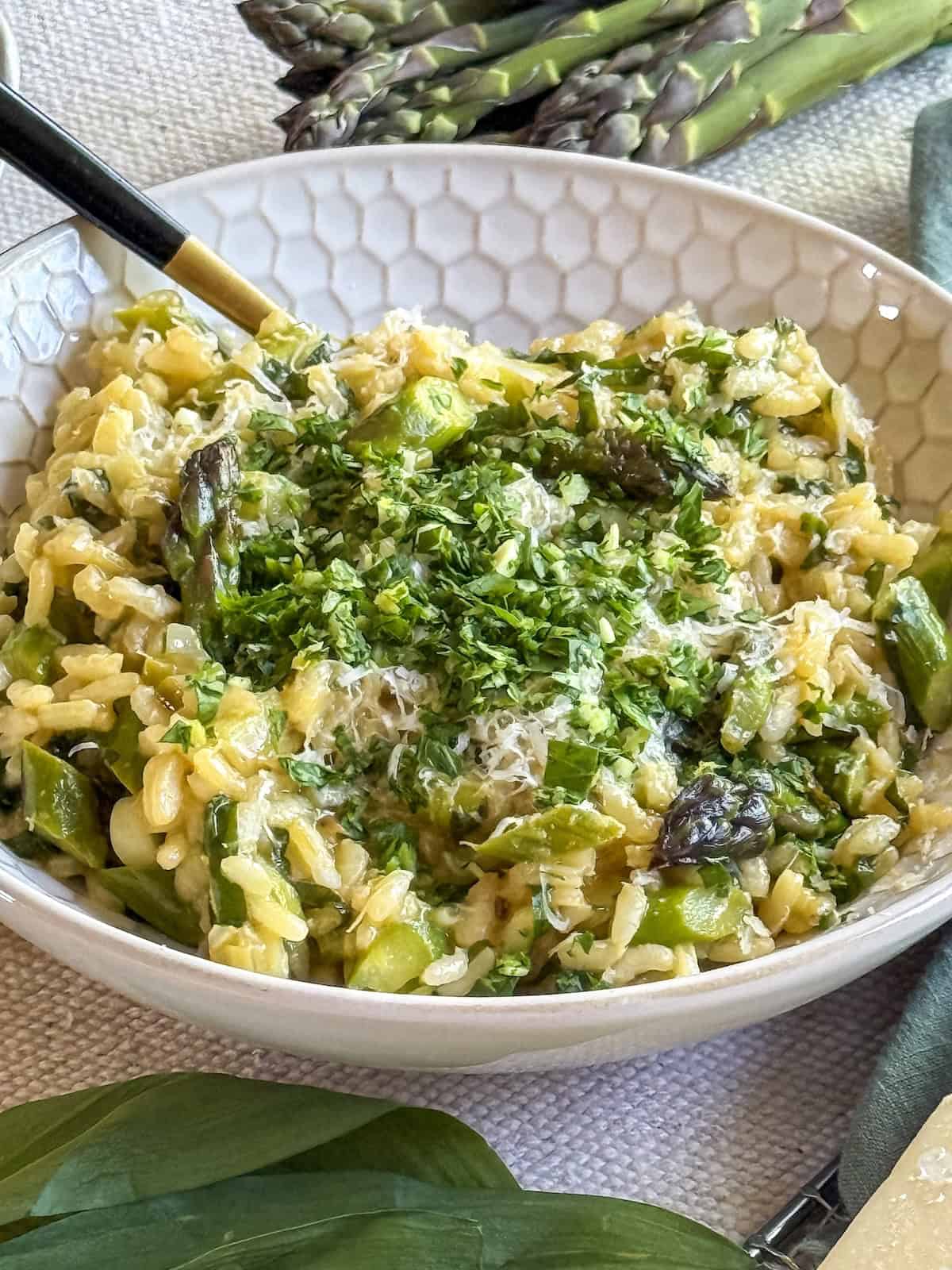
What to eat with this Spring risotto
This creamy vegetarian risotto pairs beautifully with any protein. Try it with:
- Oven Roasted Beef Tenderloin
- Perfect Whole Roast Butterflied Chicken
- Tender Eye of Round Roast
- Juicy Brown Sugar Marinated Grilled Pork Chops
- Simple Baked Walleye
More farmers' market recipes to try

Creamy Risotto with Asparagus and Ramps (Gluten Free)
Ingredients
- 1 cup Arborio rice
- 1 bunch ramps 12-15
- 1 bunch fresh asparagus 12-15 spears
- ½ cup dry white wine
- 4 cups broth vegetable or chicken
- ¼ cup Parmigiano Reggiano cheese freshly grated
- 1 lemon zest of whole, juice of half
- ½ cup fresh flat leaf parsley
- 1 clove garlic
- 3 tablespoons butter
- 1 tablespoon olive oil
- salt and black pepper to taste
Instructions
- Add broth to a saucepan, cover and bring to a simmer on low.
- Trim the woody ends from the asparagus and cut into one inch pieces.
- Clean and thoroughly dry the ramps. Remove the roots from the ends of the ramps, keeping as much of the bulb as possible. Slice the bulbs and stems thinly. Thinly slice the leaves and keep separate.
- Heat a large sauté pan over medium heat and add olive oil. Sauté asparagus pieces for 2-3 minutes until bright green and slightly crisp. Remove from pan and set aside.
- Add 2 tablespoons of the butter to the pan and sauté just the thinly sliced ramp bulbs and stems. Save the leaves for later. Cook for 2-3 minutes until softened.
- Add arborio rice to the sautéed ramps and toast the rice for another 2-3 minutes until it's translucent around the edges and has a slightly nutty aroma.
- Add the wine to the toasted rice and sautéed ramps and stir until the pan looks almost dry.
- Add in one ladle of broth and stir frequently until the liquid is almost totally absorbed. Repeat this process, ladling in hot broth one spoonful at a time, stirring frequently until rice is al dente. It should be tender but still have a bit of bite to it. This will take about 18-22 minutes.
- When the last of the liquid is almost absorbed and the rice texture is to your liking, stir in the sautéed asparagus and thinly sliced ramp leaves.
- Remove risotto from the heat and stir in the juice of half a lemon, parmesan cheese and the remaining butter.
- Top each portion with gremolata and serve immediately.
Equipment
Notes
- Only use short-grain rice - Arborio is recommended.
- Toast the rice - this is a super important step. Toasting the rice until it becomes translucent creates a shell around the grain that allows it to slowly absorb liquid without getting mushy. This is how you nail that irresistible creamy consistency with the perfect al dente bite.
- Use hot broth - adding cold liquid drops the temperature of the pan, shocks the rice and results in uneven, mushy or gluey texture. Hot liquid keeps the cooking temperature consistent and gradually releases the starch in the rice allowing that creamy, emulsified sauce to develop.
- Add broth one ladle at a time - rinse and repeat until all of the liquid is gradually absorbed. Adding liquid in small increments guarantees even absorption and builds rich flavor and perfect texture. This specific cooking process is what gives risotto that signature creaminess.
- Add butter and parmesan at the end - remove it from the heat and add a chunk of cold butter at the end. As the butter melts while stirring, it will give it that glossy richness that makes risotto so delicious.



Jessica Lawson
This is restaurant quality! Easy to make but feels fancy. I made it for a few friends I had over for dinner and they were so impressed.